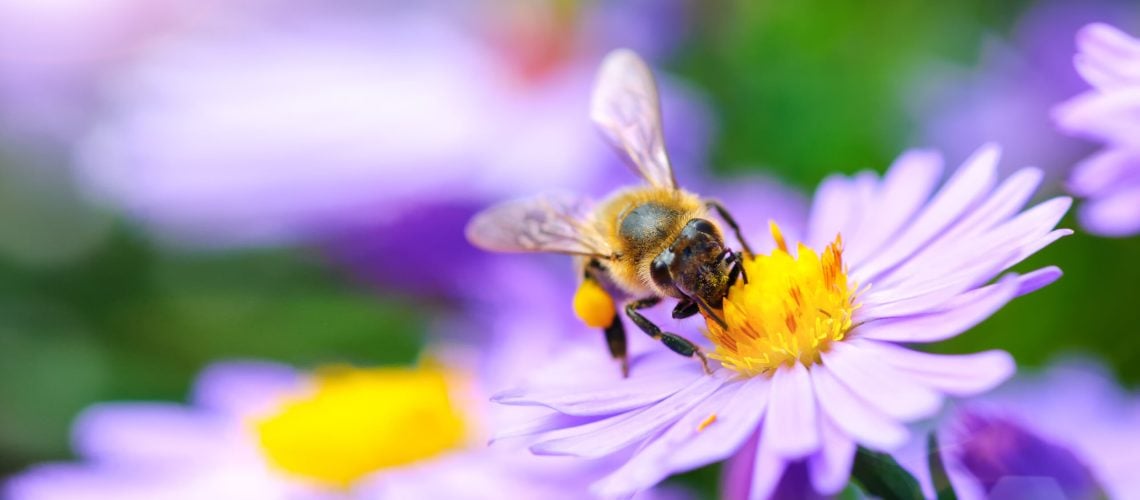

When you think of bees, you may not immediately consider them to be valuable contributors to your landscaping efforts. However, bees play a crucial role in maintaining the health and vibrancy of your outdoor space. In Minnesota, where the summers are short but sweet, bees can have a significant impact on the success of your garden and overall landscape. Let’s explore the ways in which these tiny creatures benefit your green spaces and how you can attract them to your yard.
1. Pollination Power
Bees are essential pollinators that help plants reproduce by transferring pollen from one flower to another. This process is crucial for the production of fruits, vegetables, and flowers. In Minnesota, where many crops rely on pollination for their growth, bees play a vital role in ensuring a bountiful harvest. By attracting bees to your yard with bee-friendly plants such as lavender, sunflowers, and coneflowers, you can enhance the productivity of your garden and enjoy an abundance of fresh produce.
2. Biodiversity Boost
Bees contribute to the overall health of ecosystems by promoting biodiversity. As they move from flower to flower in search of nectar and pollen, bees help maintain a diverse plant population. In Minnesota, where native prairie grasses and wildflowers thrive, bees play a crucial role in preserving these unique habitats. By creating a bee-friendly environment in your yard with native plants and wildflower meadows, you can support local bee populations and promote biodiversity in your community.
3. Soil Health Support
Bees not only benefit plants above ground but also below the surface. When bees visit flowers to collect nectar and pollen, they inadvertently transfer beneficial microorganisms from one plant to another through their bodies. These microorganisms help improve soil health by breaking down organic matter and releasing nutrients that plants need to thrive. By encouraging bee activity in your garden through diverse plantings and avoiding pesticide use, you can promote healthy soil that supports robust plant growth.
4. Pest Control Assistance
Some species of bees are natural predators of common garden pests such as aphids and caterpillars. By attracting these beneficial insects to your yard with flowering herbs like dill and fennel or perennial favorites like bee balm and Russian sage, you can reduce the need for chemical pesticides while protecting your plants from harmful pests. Bees not only provide free pest control services but also contribute to a more sustainable gardening approach that benefits both your landscape and the environment.
5. Educational Opportunities
Beyond their practical benefits for landscaping, bees offer valuable educational opportunities for homeowners looking to connect with nature and learn more about sustainable practices. By observing bee behavior in your garden or participating in local beekeeping workshops or events, you can deepen your understanding of these fascinating creatures while gaining insights into how best to support them in their essential role as pollinators.
Transform Your Backyard into a Work of Art
Bees are not just buzzing insects; they are invaluable allies in maintaining healthy outdoor spaces. If you’d like to design and install a landscape at your home in southern Minnesota that’ll attract bees, contact the experts at Peters’ Patio & Landscape today.